
 0
 0
Mizuno is navigating a significant strategic shift. For years, the brand relied on the mechanical stability of the Wave Plate as its primary identity. In 2026, the focus has moved toward a segmented hierarchy that balances traditional engineering with modern foam science. Their current lineup is defined by three distinct pillars: Wave, Neo, and Hyperwarp. In this article, we will take a look at each of the lineup and its key notable featuers.
The Wave Series: Legacy and Reliability
The Wave series remains the foundation of Mizuno. In 2026, the series has undergone a major internal evolution, transitioning to a full-length Mizuno Enerzy NXT nitrogen-infused foam midsole. This shift provides a more responsive, energetic feel, while the signature Wave Plate continues to offer essential guidance and stability without the stiffness of legacy dual-layer designs.
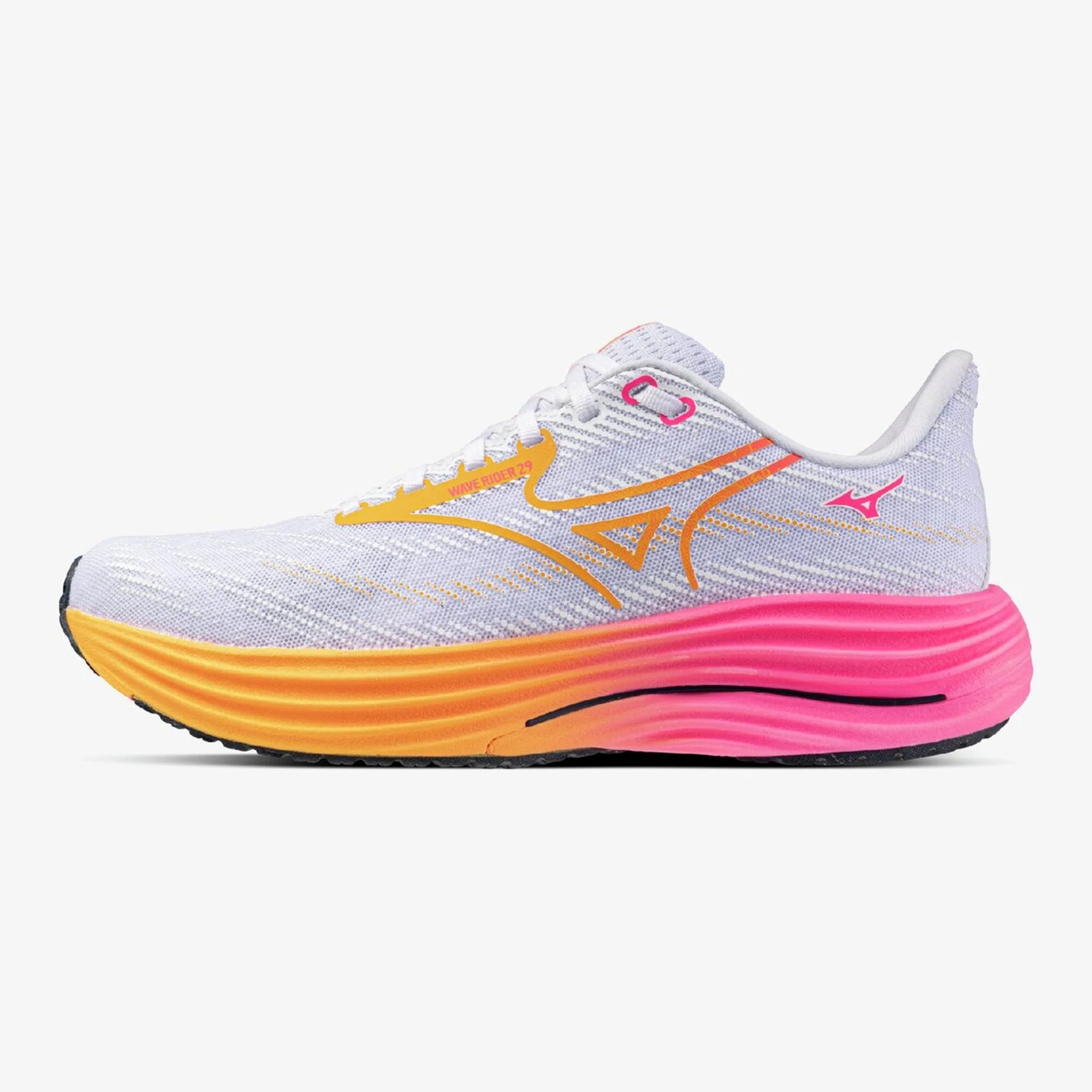
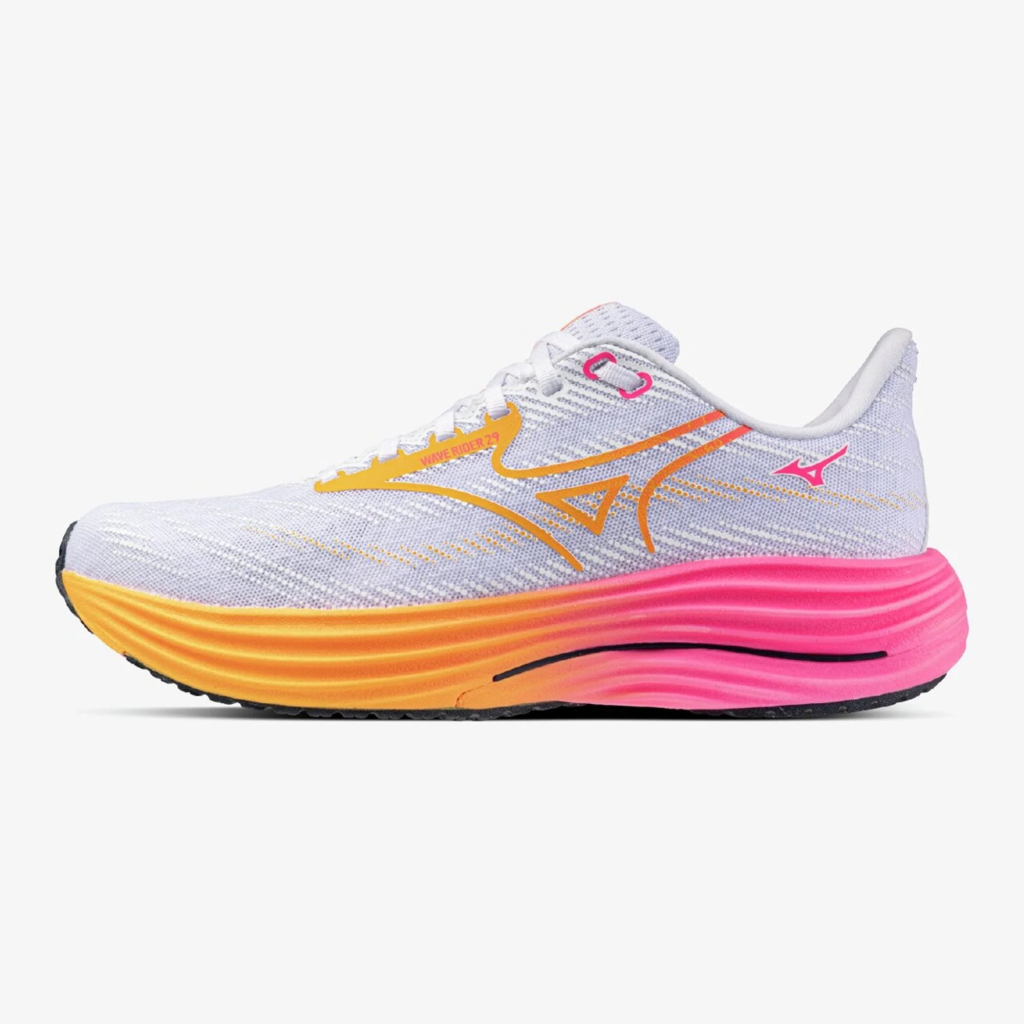
- Wave Rider 29: The benchmark neutral trainer. Features the new Enerzy NXT midsole and an updated Jacquard Air Mesh upper for a more seamless, breathable fit. The plate is tuned for a smooth, natural transition.
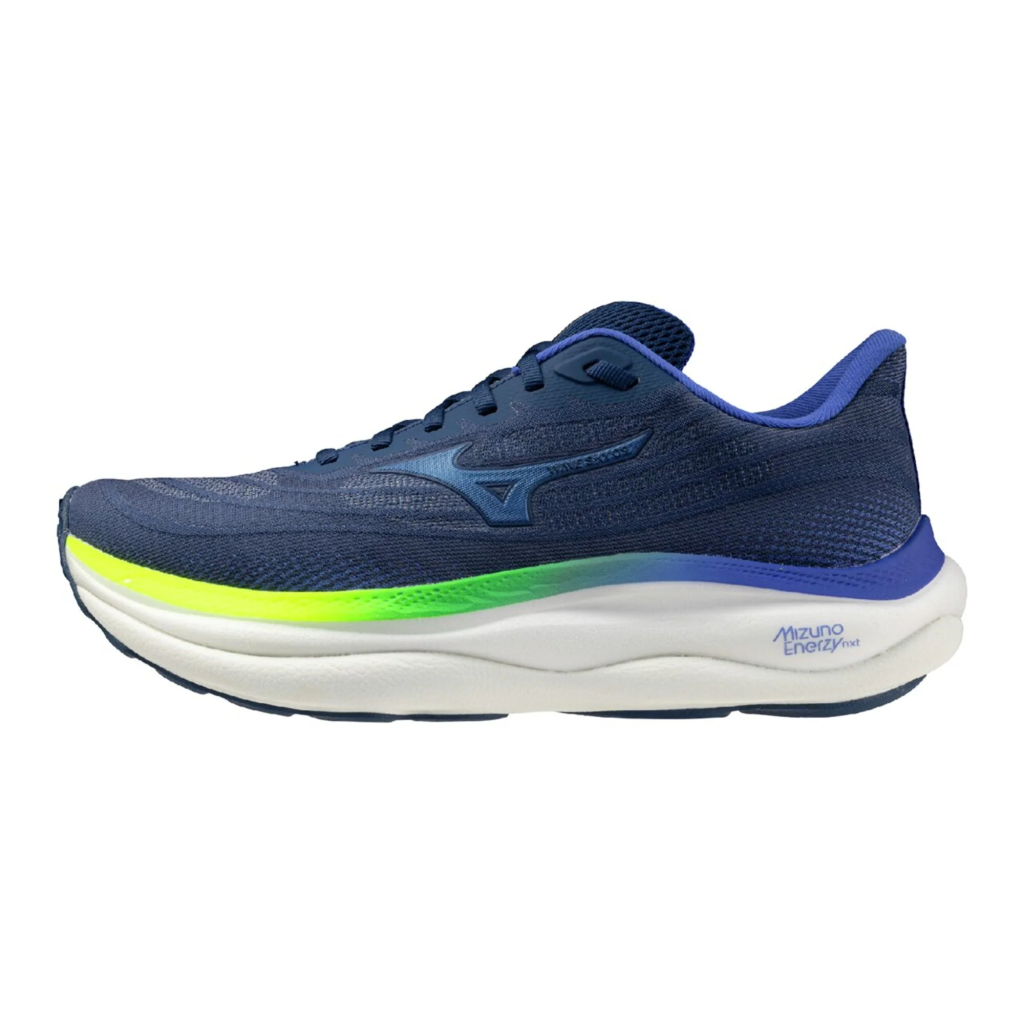
- Wave Sky 9: The maximalist comfort choice. Unlike the rest of the series, it retains a specialized dual-density construction with high-stack Enerzy NXT to provide maximum plushness for long, easy-paced efforts.
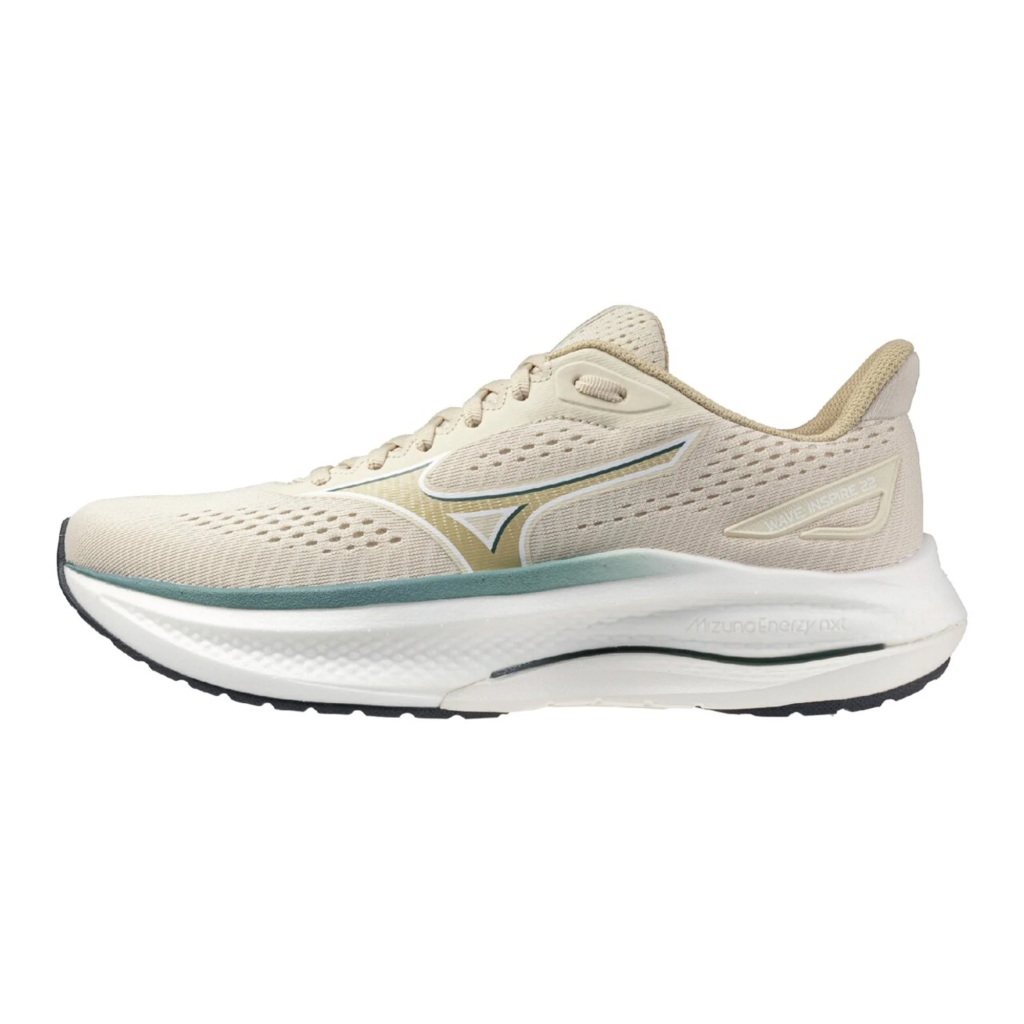
- Wave Inspire 22: The stability staple. Features an asymmetrical Wave Plate with increased medial support to guide the foot and prevent arch collapse, paired with a wider base for increased landing security.
| Model | Price (USD) | Price (SGD) |
| Wave Rider 29 | $150 | S$219 |
| Wave Sky 9 | $180 | S$229 |
| Wave Inspire 22 | $150 | S$189 |
The Neo Series: The Neutral Pivot
The Neo series serves as Mizuno’s response to the market trend favoring maximalist, neutral rides. By removing the mechanical plate, these shoes focus on geometry to drive transitions.
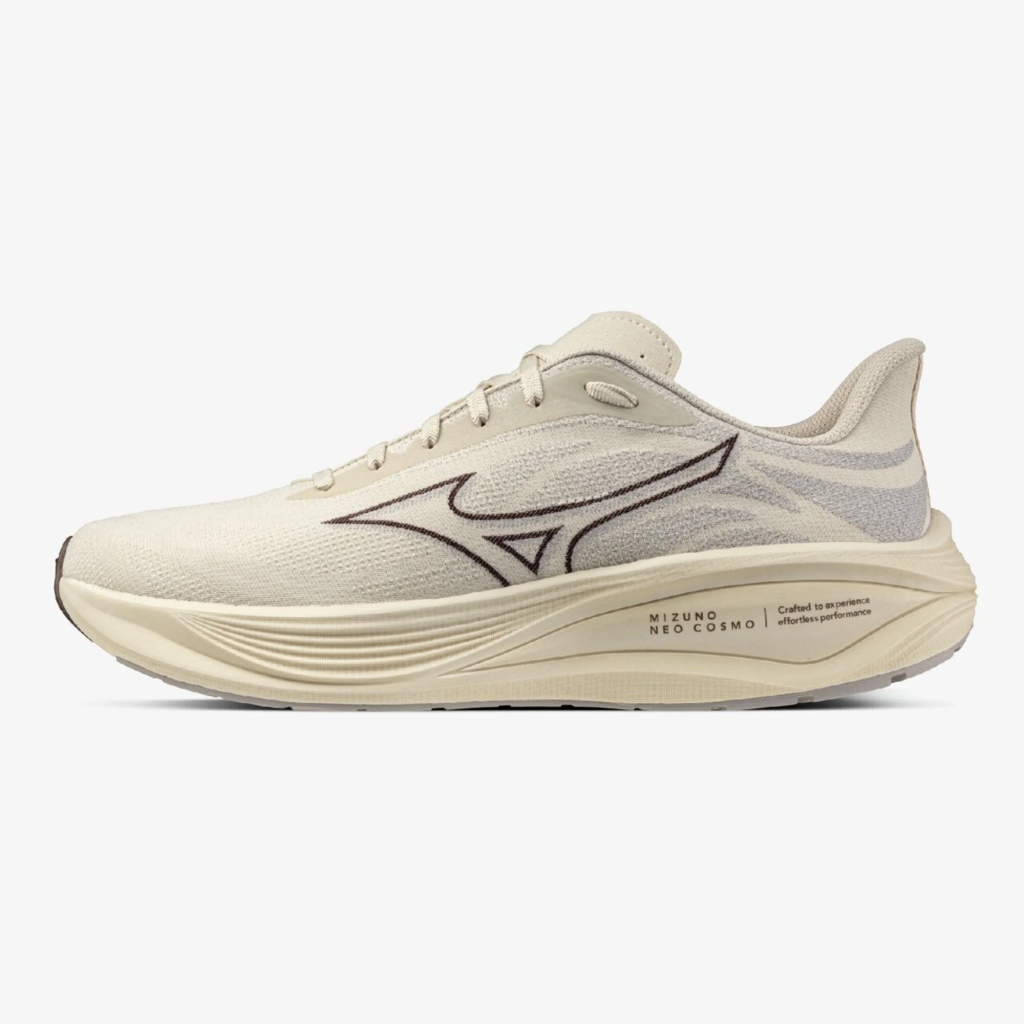
- Neo Cosmo: An accessible entry point to the Neo line, focusing on a simplified, high-cushion geometry for reliable daily comfort.
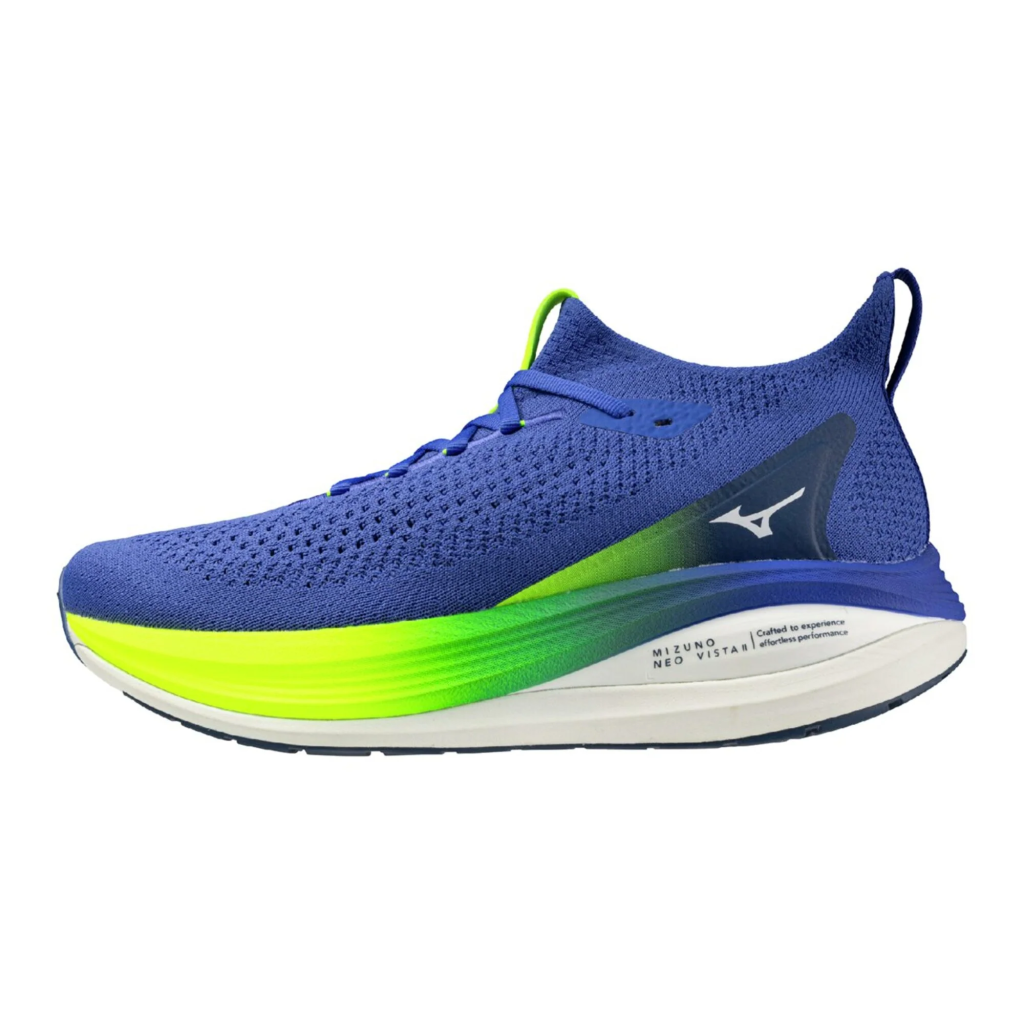
- Neo Vista 2: Features a high-stack, nitrogen-infused Enerzy NXT midsole and Glass-Fibre infused Wave Plate. Designed for high-volume training with Smooth Speed Assist geometry to guide the foot.
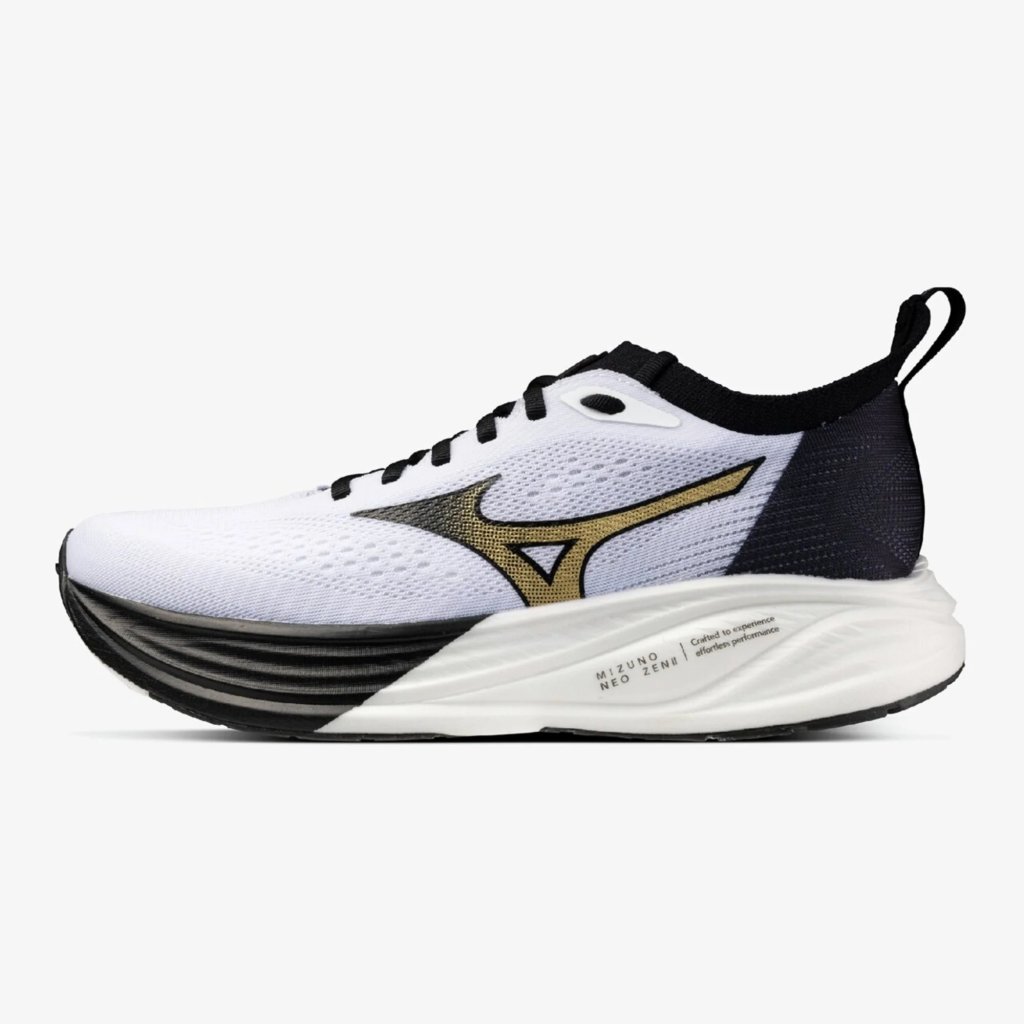
- Neo Zen 2: A neutral daily trainer using a supercritical Enerzy NXT midsole. Features a revamped knit/mesh hybrid upper for a secure, sock-like fit and a wider base for increased stability compared to the first generation.
| Model | Price (USD) | Price (SGD) |
| Neo Vista 2 | $200 | S$279 |
| Neo Zen 2 | $160 | S$229 |
| Neo Cosmo | $140 | S$199 |
The Hyperwarp Series: Performance at the Pinnacle
Hyperwarp is the new flagship racing lineup, utilizing PEBA-based ENERZY XP foam and refined 3D carbon plates to maximize energy return.
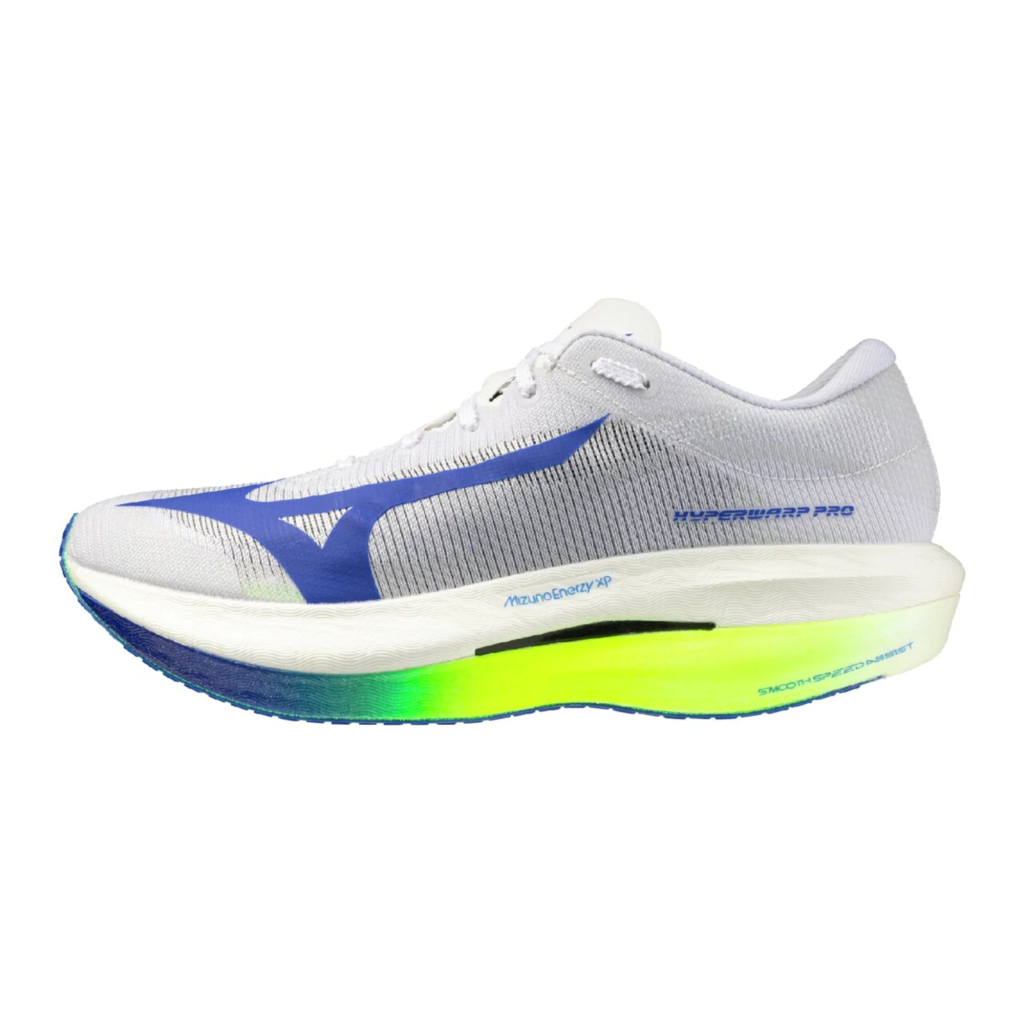
- Hyperwarp Pro: The speed-work specialist. Employs a carbon-infused nylon plate and 100% TPEE Enerzy XP foam. Offers a higher 5.5mm drop for speed sessions and long-distance tempo training.
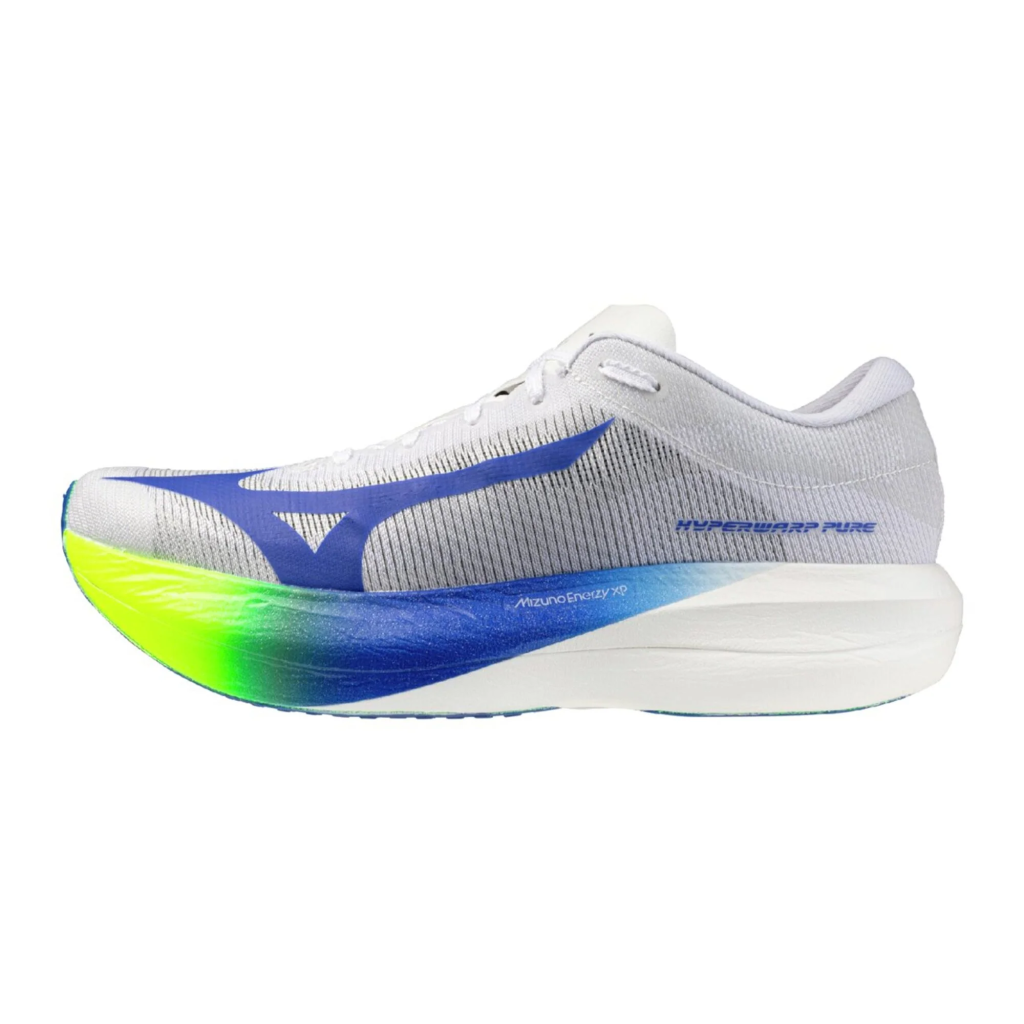
- Hyperwarp Pure: The ultra-lightweight racer (under 140g). Features 100% PEBA Enerzy XP foam and a Carbon Smooth Speed Plate. Engineered for 5K to 10K racing with a minimal woven upper.
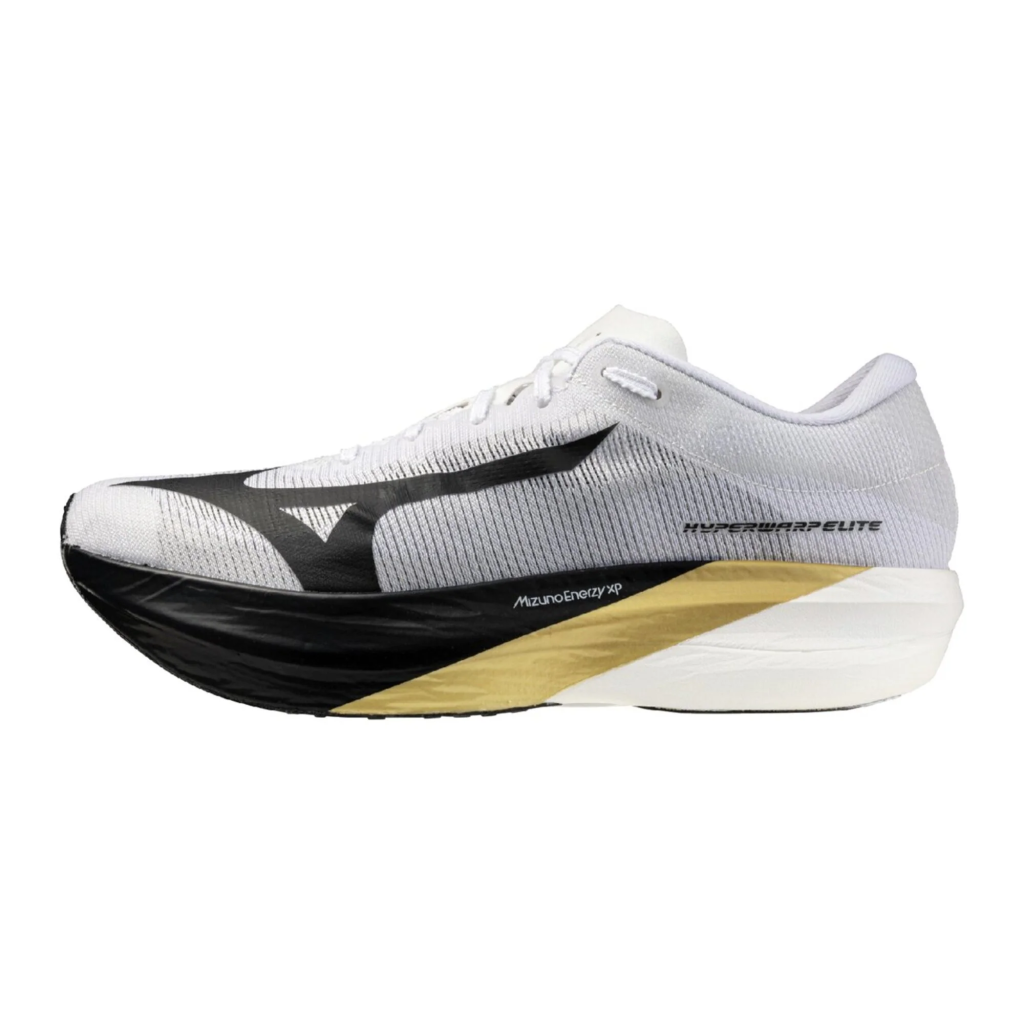
- Hyperwarp Elite: The marathon racer. Uses a dual-density midsole (PEBA top layer/TPEE bottom layer) for a balance of bounce and structure, paired with a 3D-shaped carbon plate.
| Model | Price (USD) | Price (SGD) |
| Hyperwarp Pure | $280 | S$399 |
| Hyperwarp Elite | $265 | S$379 |
| Hyperwarp Pro | $250 | S$359 |
Daily Training: Wave vs. Neo, Which to Choose?
When selecting a daily trainer, the choice centers on your mechanical preference as the Wave and Neo delivers them differently.
For the Wave series, it offers mechanical Consistency. With the new Enerzy NXT foam, the ride is smoother, but the Wave Plate maintains a structured, predictable platform favored by those who need mechanical guidance and durability.
As for the Neo series, it offers geometric fluidity. These models rely on high-stack foam and rocker profiles rather than mechanical plates to create a natural, compliant, and plush ride suitable for recovery and easy-paced miles.
The Rebellion Flash 3: A Bridge Model
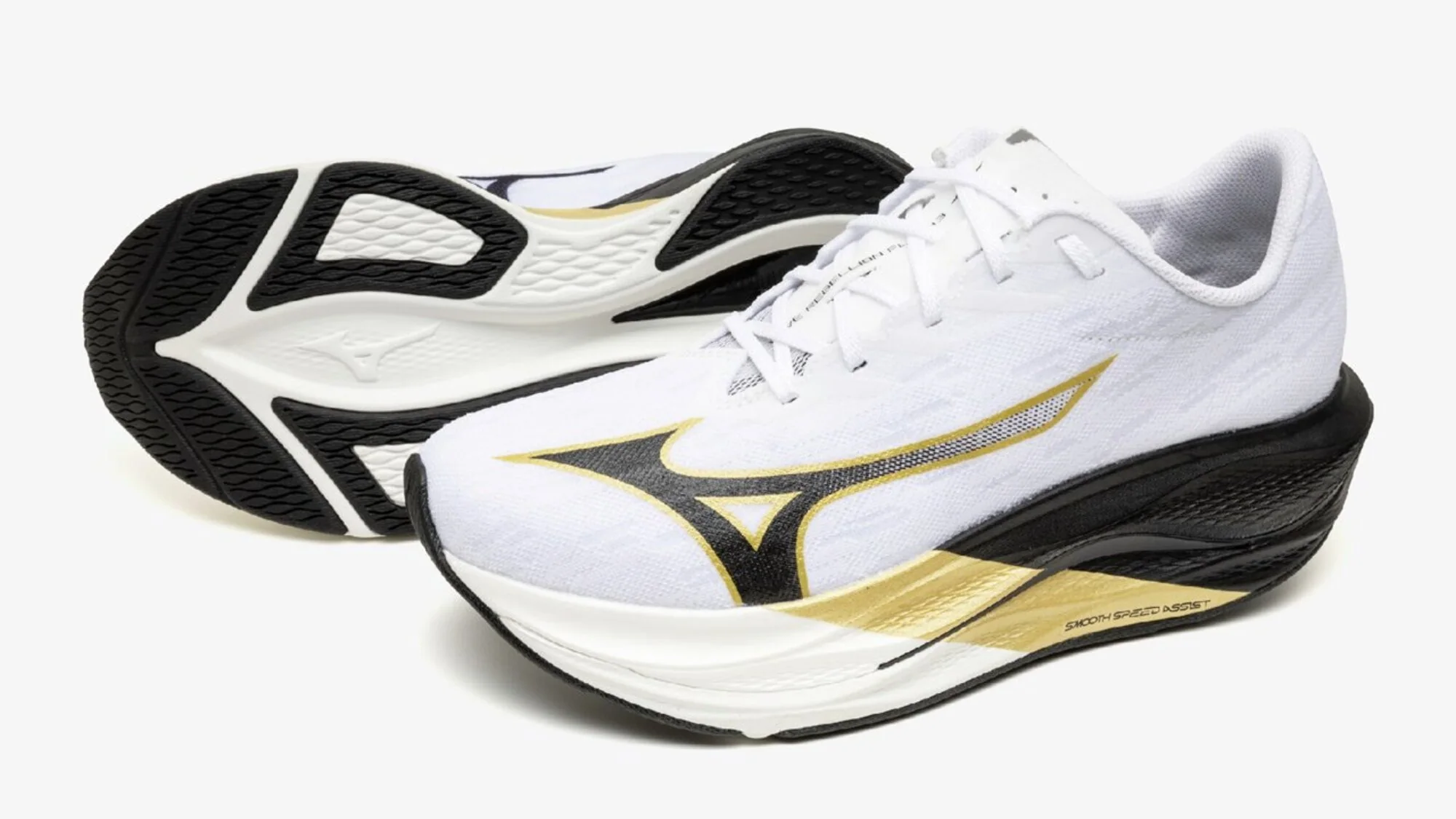
The Wave Rebellion Flash 3, coming in at SGD229/USD180, remains the outlier. It uses a fiberglass-reinforced plate and dual-layer foam, it serves as a mid-tier option for runners who want a faster feel than a standard Wave trainer but are not prepared for the extreme geometry of the Hyperwarp line. The question is what will Mizuno do with this product to better clean up its product lineup now with the Hyperwrap series.
Conclusion: A Brand at the Crossroads
Mizuno’s strategy is defined by a sharp push for relevance at both ends of the spectrum. In 2026, we are starting to see the results and impact of their strategy wining. The Hyperwarp series is a clear success, generating positive traction and acclaim for finally delivering a race-day experience that competes directly with industry leaders.
Conversely, the Neo series is still seeking its footing. While it is a necessary evolution to cater to current market demands for plateless, neutral cushioning, it faces immense competition in a crowded daily training segment. Whether Mizuno can establish a unique identity for the Neo series that resonates with a wider audience remains to be seen.
For now, Mizuno has reclaimed its status as a serious performance contender; the challenge ahead is convincing the daily training market that it belongs in their rotation.

