
 0
 0
In an era dominated by maximalist cushion and towering stack heights exceeding 40 mm, finding a true low-stack running shoe feels like searching for an endangered species. Where standard trainers once sat close to the asphalt, the modern running landscape has elevated runners high above the road. While we applaud the continuous evolution of high-stack superfoams, there is no denying that maximalist designs trade away raw ground feel for isolated efficiency. Yet, for athletes who value agile mechanics, direct road feedback, and lower leg engagement, low-profile shoes remain an irreplaceable asset in a balanced shoe rotation.
What Happened?
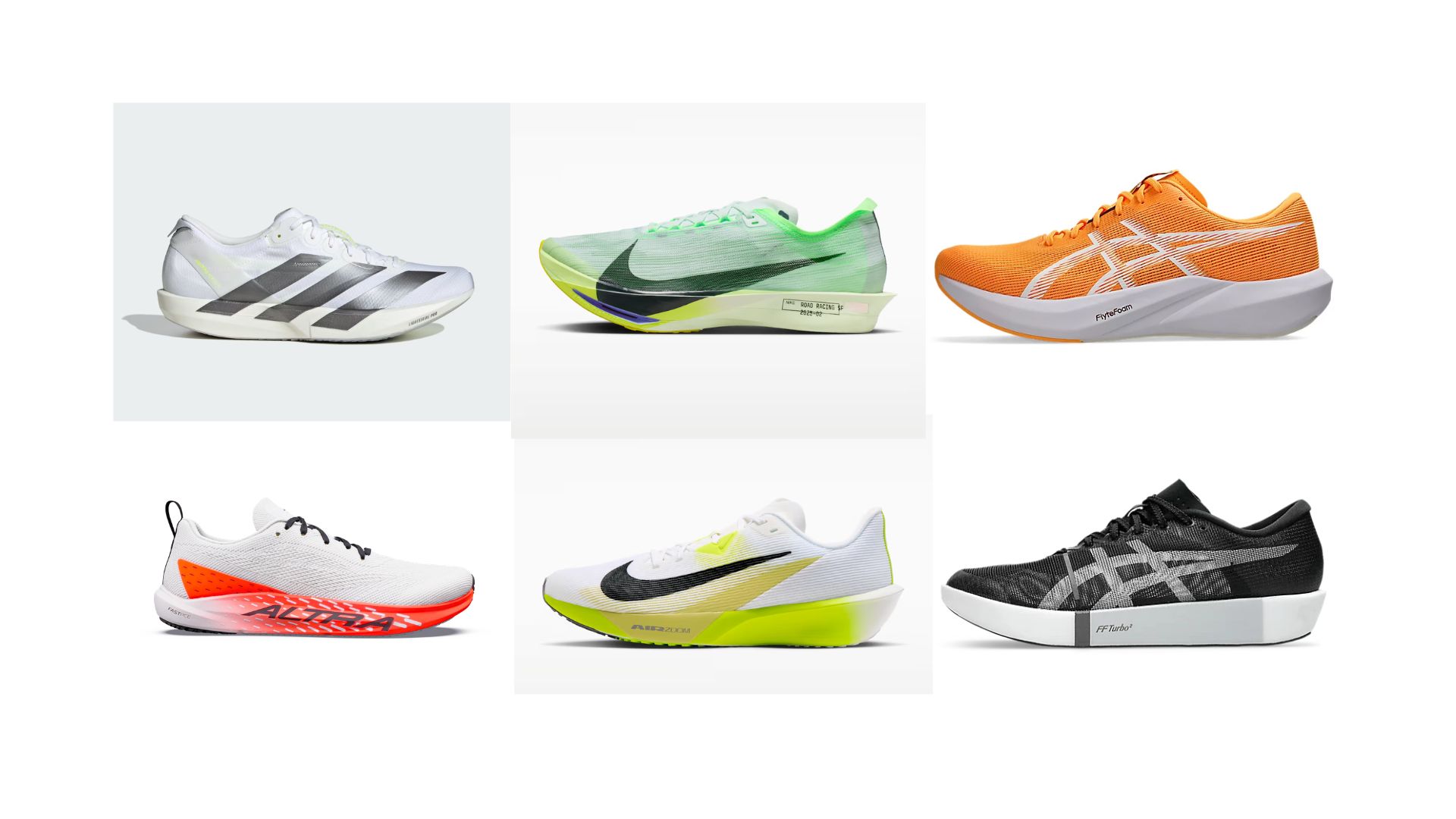
While major brands continue pushing stack limits across flagship lines, a select group of models continues to champion the low-stack philosophy, maintaining a sub-25 mm forefoot profile. This remaining lineup spans a diverse spectrum, ranging from natural zero-drop designs to ultra-lightweight speed flats engineered with modern supercritical foams.
Current product offerings demonstrate that low-stack design is not an obsolete technology. It is actively evolving alongside modern material science. One of the most recent surprises is from ASICS. Brands nonethless are finding distinct ways to deliver modern energy return without building towering platforms, giving runners focused tools for track sessions, fast tempo efforts, and natural foot engagement.
Product / Tech Data
| Model | Midsole Tech | Plate / Shank Tech | Stack Height (Forefoot / Heel) | Heel-to-Toe Drop | Weight (Per Shoe) | Upper Material & Fit | Outsole & Traction | Retail Price |
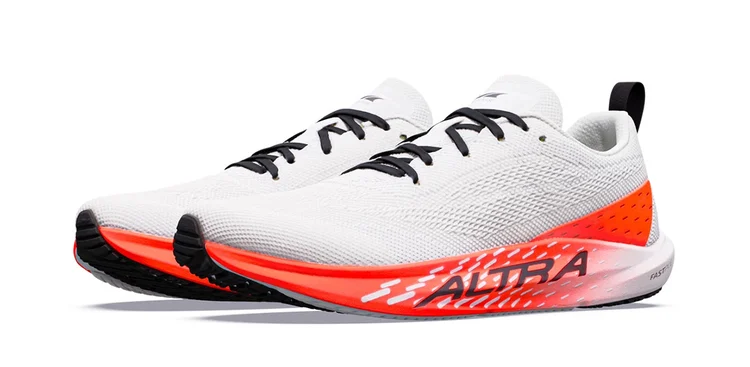
| Altra Vanish Pulse | FAST PCE Foam | Non-Plated | 22 mm / 22 mm | 0 mm | 238 g / 8.4 oz | Wide-gauge knit upper, Original FootShape | Durable full-length rubber | USD 150 |
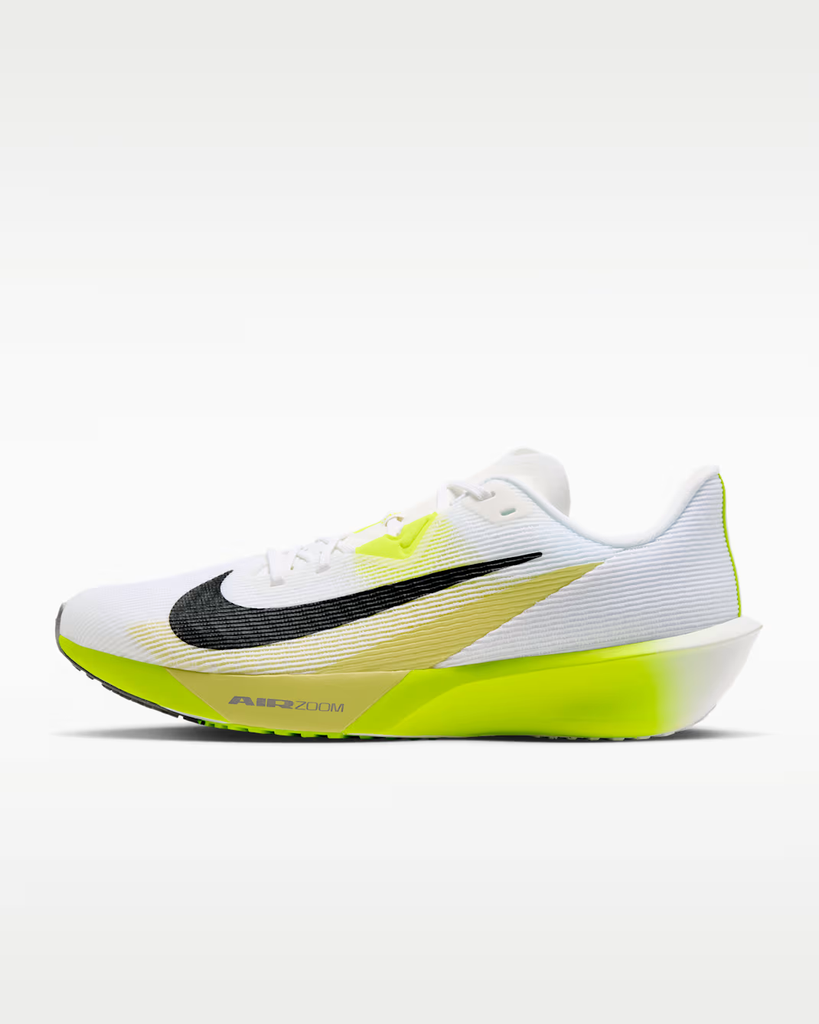
| Nike Rival Fly 4 | Cushlon 3.0 + Forefoot Zoom Air | Midfoot Plastic Shank | 22 mm / 30 mm | 8 mm | 244 g / 8.6 oz | Soft engineered mesh, narrow race fit | High-abrasion rubber with center cutout | USD 100 |
| Adidas Adizero Adios 9 | Full Lightstrike Pro | Non-Plated | 20 mm / 27 mm | 7 mm | 176 g / 6.2 oz | Micro-fit lightweight mesh | Continental™ Rubber | USD 140 |
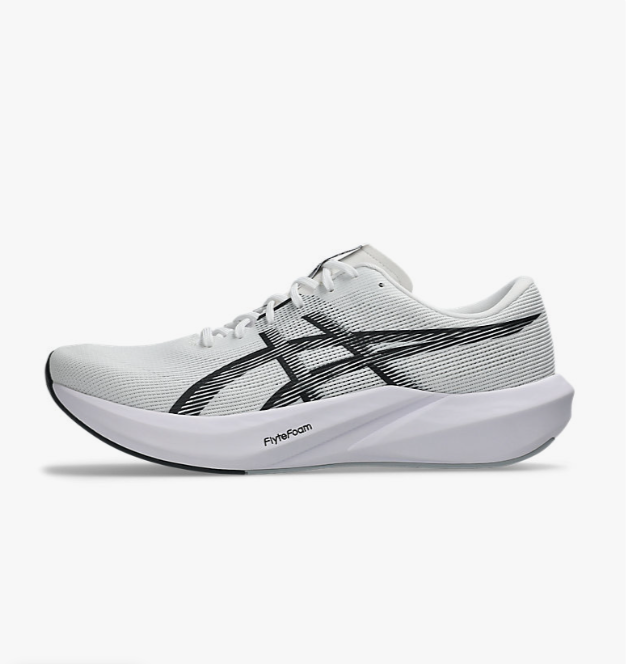
| ASICS Hyper Speed 5 / 6 | FlyteFoam / EVA | Non-Plated | 24 mm / 32 mm | 8 mm | ~220 g / 7.8 oz | Breathable mesh upper | AHAR® Rubber outsole | USD 110 |
| Nike ZoomX Streakfly 2 | Full ZoomX Superfoam | Midfoot PEBA Plate | 23 mm / 27 mm | 4 mm | 145 g / 5.1 oz | Ultra-thin mono-mesh | Strategic rubber lugs | USD 190 |
| ASICS Metasleek | FF TURBO² Superfoam | Full Carbon Plate | 21 mm / 29 mm | 8 mm | 125 g / 4.4 oz | MotionWrap™ ultra-light upper | ASICSGRIP™ strategically zoned | USD 225 |
Why It Matters for Runners?
Ground feedback plays a fundamental role in foot strengthening and kinesthesia. A lower to the ground profiles force the intrinsic muscles of the foot and lower leg to work more naturally. Thus, aiding balance and agility during sharp turns and track workouts.
Furthermore, lower stack heights provide inherent geometric stability that high-stack foams struggle to replicate without wide bases or stiff carbon plates. Therefore, runners targeting short intervals, track sessions, or fast road 5Ks often benefit from the immediate responsiveness and direct power transfer that only a low forefoot can deliver. Most certainly with less stack of cushioning.
Finally, stepping away from ultra-plush platforms helps to maintain variety in your weekly mileage. Alternating between cushioned long-run trainers and grounded workout flats can conditions your tendons. This prevents your stride from becoming overly dependent on thick foam stacks.
Performance & Industry Implications
The contrast across these options highlights two distinct paths in low-stack engineering. Traditional options like the Nike Rival Fly 4 and ASICS Hyper Speed series leverage firm, durable foam setups that deliver classic racing flat mechanics at highly accessible price points.
Concurrently, models like the Adidas Adizero Adios 9, Nike ZoomX Streakfly 2, and ASICS Metasleek incorporate top-tier supercritical foams into low-profile geometries. These models prove that runners do not have to compromise on foam rebound when seeking an agile, low-stack ride. Meanwhile, Altra’s Vanish Pulse maintains the natural movement lineage with zero-drop balance, a foot-shaped toe box while incorporating their latest midsole. This trend represents one of the latest development in the running world.
For runners around the world, whether these models are readily stocked on local retail shelves or sourced online, seeking out a lower stack profile offers a deliberate way to keep your feet strong, fast, and connected to the road. But most importantly, you should be ready for the lower to the ground, less stack and isolation running experience. And not to forget, that you should accustom yourself slowly towards 0 mm drop running shoes if that is where you are going.
Key Takeaways
- Ground Feel Survives: Low-stack options (~20–24 mm forefoot) remain available across zero-drop, budget trainer, and top-tier speed categories. 42k.tools
- Superfoams Go Low: Models like the Metasleek and Adios 9 bring advanced compounds like FF TURBO² and Lightstrike Pro into low-profile platforms.
- Workhorses Maintain Value: Options such as the Rival Fly 4 and Hyper Speed offer accessible, durable training tools without high-stack price tags.
- What to Watch For: Consumer demand for ground-conscious speed flats, track-specific road shoes, and natural training platforms will dictate whether major brands continue developing true low-stack silhouettes in future shoe cycles.
Till next time, just keep running.

