

 0
 0
Why Some Western Major Brands might be Losing Heart (and Sole)
This article is written in consideration from a single market perspective of Singapore and the observation of how brands are performing today. This is an opinion piece and in no way reflect as a study done on the running product market.
The Great Singaporean Run: A Sport for the Many
Running in Singapore has transcended being a mere exercise; it is now a core lifestyle activity. Look at any Park Connector (PCN) at 7:00 PM, and you’ll see the data in motion. According to a Straits Times article, citing 2022 National Sports Participation Survey, jogging remains the undisputed #1 activity for Singaporeans. Further validation comes from a 2023 YouGov report, citing that 4 in 10 Singaporeans run every week.
This is a powerful statistic. It means that in every group of ten friends, at least four are likely runners. This shift proves that running is a sport for the many. You don’t need a specialized court or an expensive membership; you just need a pair of shoes. It is the ultimate democratic sport.
The Gap of Forgotten Roots
However, as the community grows, the major brands seem to have forgotten something about this sports. A glaring example is the controversial sign seen at the recent Boston Marathon: “Runners Welcome. Walkers Tolerated.” For a brand like Nike, which was built on the idea that “everyone is an athlete,” this shift towards being out of touch with the reality.
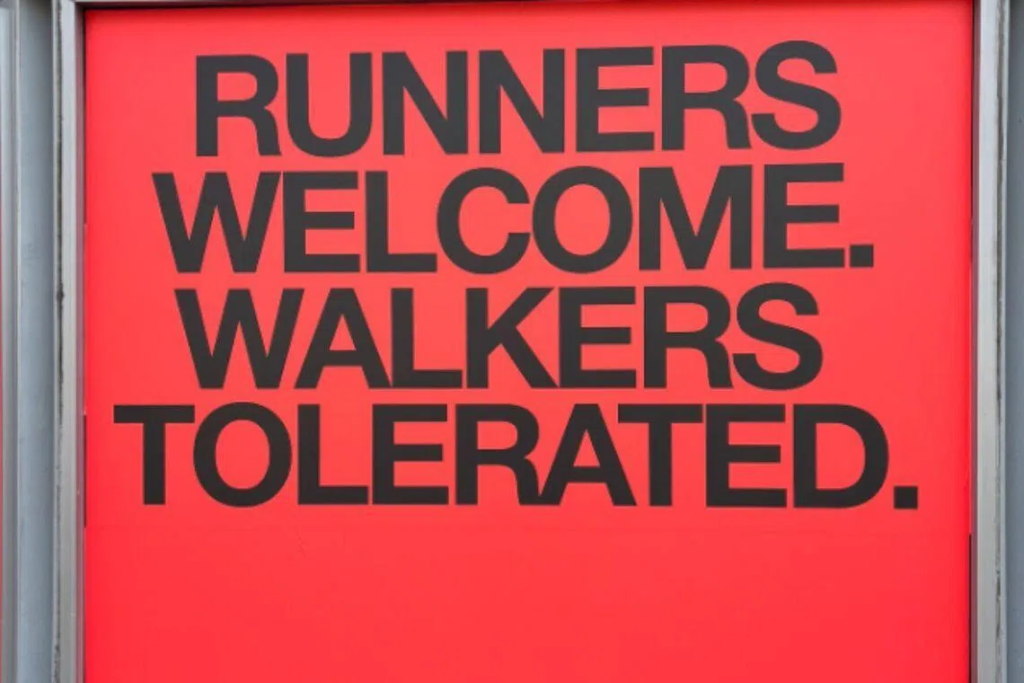
When brands start “tolerating” certain types of movement rather than celebrating them, they create a psychological distance from the everyday consumer. Not to mention, Nike is currently trading at a price back in 2014, losing almost 2/3 of its value from its peak, and their performance products aren’t wining the game.
The Budget Compromise Trap Faced by Major Brands
Historically, major brands have segmented their products into two distinct worlds. On one end, you have the Elite Tier (Adizero, Vaporfly), which costs S$300+, masterpieces of engineering. On the other, you have the Budget Tier (Galaxy 7, RunFalcon, Downshifter) shoes priced under S$100 while provding standard functionality.
But here is the hard truth we cannot avoid. For the major brands, the budget tier is more of a compromise than a performance tool. These are athleisure products. They are designed for casual gym-goers or lifestyle wear, not for the rigors of consistent running. (Yes, you can do it, just how the running will feel like) In these models, technical parameters like breathability, foam energy return, and outsole grip are often an afterthought. For years, this strategy worked because consumers didn’t know any better and there are no alternatives. But, today the market has changed.
The Rise of the Informed Middle
Today’s runners are more informed than ever. They are no longer willing to overspend on a prestige logo if the performance doesn’t match the price, yet they won’t settle for the athleisure compromise.
This has created a massive Value Gap. There is a growing group of runners who:
- Refuse to settle for a basic lifestyle shoe.
- Are willing to stretch their budget beyond S$100, but find S$250+ excessive for a daily trainer.
- Seek an acceptable level of performance that can handle 30–50km a week without breaking down.
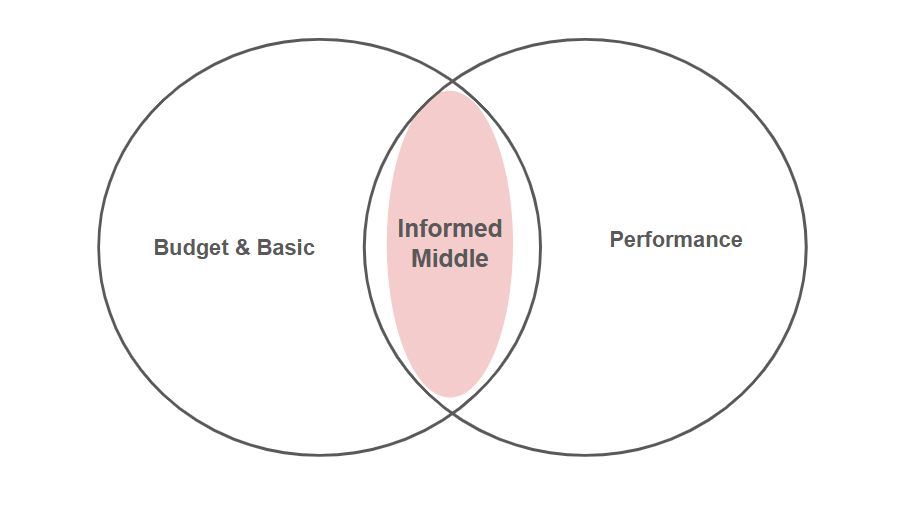
They also want to optimize. They might invest in a premium race-day shoe, but they demand a high-performing workhorse that respects their wallet for the other 300 days of the year. The convergence between different runner groups moves ever closer.
The Asian Powerhouse: Legitimate Insurgency
Into this gap have stepped the Value Insurgents. We aren’t talking about the usual Western disruptors like On or Hoka; we are talking about the Asian brands such as Anta, Xtep, Li-Ning, Unpause, and Ortuseight. More recently, one new brand has created ripples among the running community, Xiaonian (or Dynafish). And let us not forget the positive momentum Kiprun is also getting with their products such as Kipride or Kipstorm Tempo among others.
These brands are changing the dynamics of the Singaporean market. They are offering tech that was previously gatekept behind a S$250 price tag, like high-rebound foams and industrial-grade CPU outsole, and delivering it for S$130 to S$160.
The Erosion of the Incumbents
This is a golden timing. As these alternative brands continue to iterate and improve, they are gaining something more valuable than market share with runners. The legitimacy of them being serious alternatives to the major international brands. When a seasoned runner at a local race shows up in a pair of Xteps or ANTA, it sends a message to the newcomers. Through word-of-mouth and visible performance on our local paths, the acceptance of these brands is growing. They are no longer cheap alternatives, they are informed choices. This slow erosion of brand loyalty is the biggest threat the major incumbents have faced in decades.
The insurgency isn’t just a trend, it’s a market correction and we are likely going to see more.

