

 0
 0
To understand why the 2026 Under Armour Velociti lineup is so exciting, we have to look at the “dark years” that preceded it. For a while, UA seemed out of sync with the running industry. We loved the Sonic 6 for its balance, but the Sonic 7 felt like a massive step backward, a design that felt disconnected from what real runners were actually looking for in a modern trainer.
The brand even went through a phase of “Identity Confusion” with models like the Halo Racer. Marketed under the campaign “I Run, But I’m Not a Runner,” the Halo Racer was the physical manifestation of this crisis. At S$259, it was a lifestyle sneaker masquerading as a performance tool. The numbers tell the story: the Halo Runner weighed 10.5 oz, while the Halo Racer clunked in at a massive 12.1 oz. It was a lifestyle play that got lost in the running section.
Even the Infinite Pro and Infinite Elite, while technically decent, suffered from design choices that left questions about the brand’s direction. It felt like UA had the engine but couldn’t figure out the chassis.
That all changed in October 2025. Under Armour announced a total refresh of their performance line, and seeing them in person today, the difference is night and day. Gone is the experimental confusion of the Halo era. In its place is a logical, high-performance porfolio of shoes that finally puts the brand back on the map for serious Singaporean runners.
The 2026 Velociti Portfolio (Singapore Pricing)
| Model | Price (SGD) | Category | Weight (Approx) |
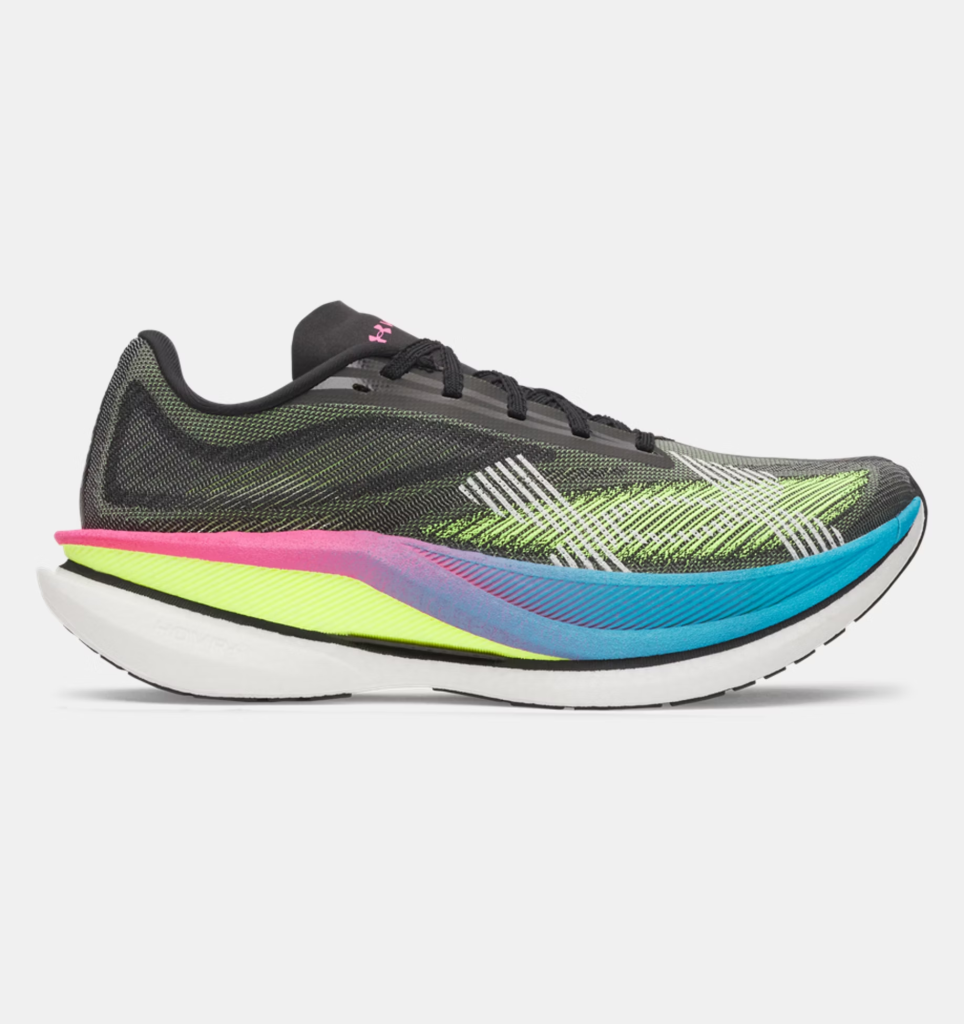
| Velociti Elite 3 | S$299 | Marathon Racer | ~221g (7.8 oz) |
| Velociti Pro 2 | S$259 | Super Trainer | ~249g (8.8 oz) |
| Velociti Distance | S$239 | Cushion / Long Run | ~297g (10.5 oz) |
| Velociti SPD | S$209 | Tempo / Daily Trainer | ~235g (8.3 oz) |
| Velociti Pace | S$189 | Daily Trainer | ~280g (9.9 oz) |
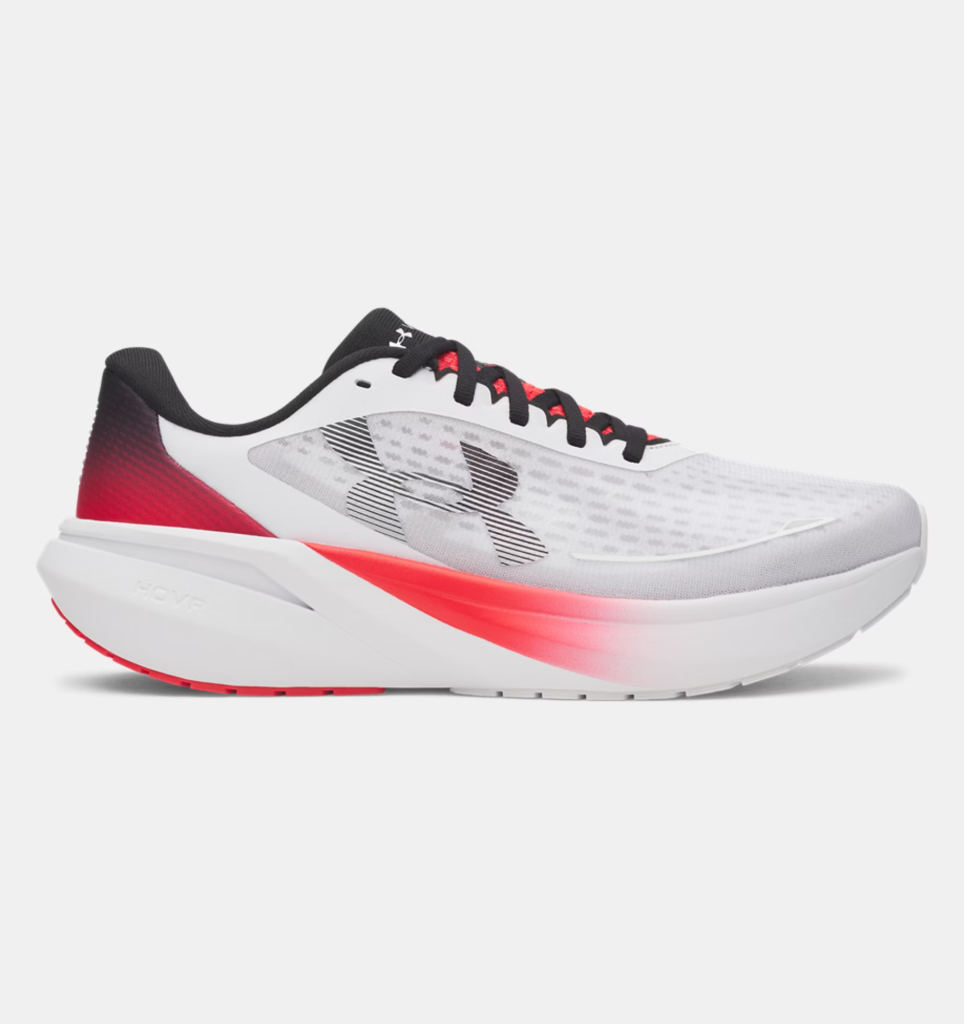
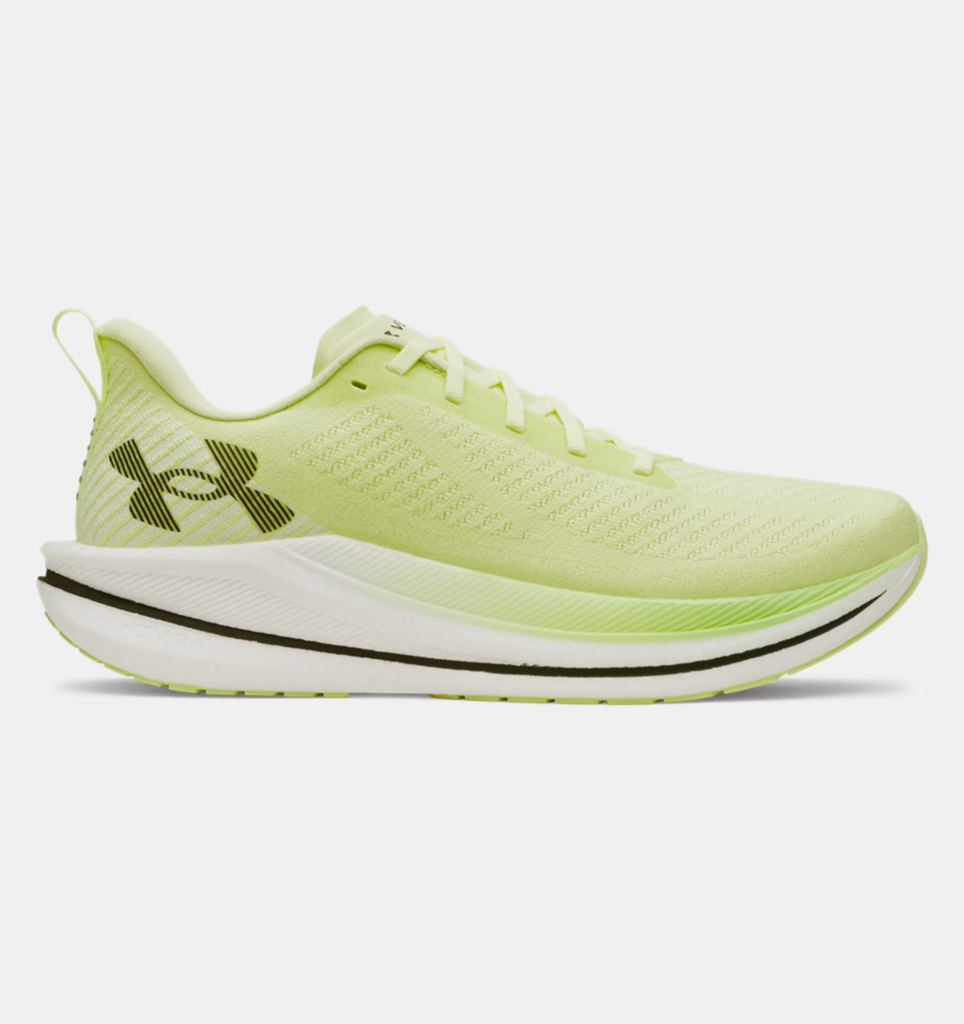
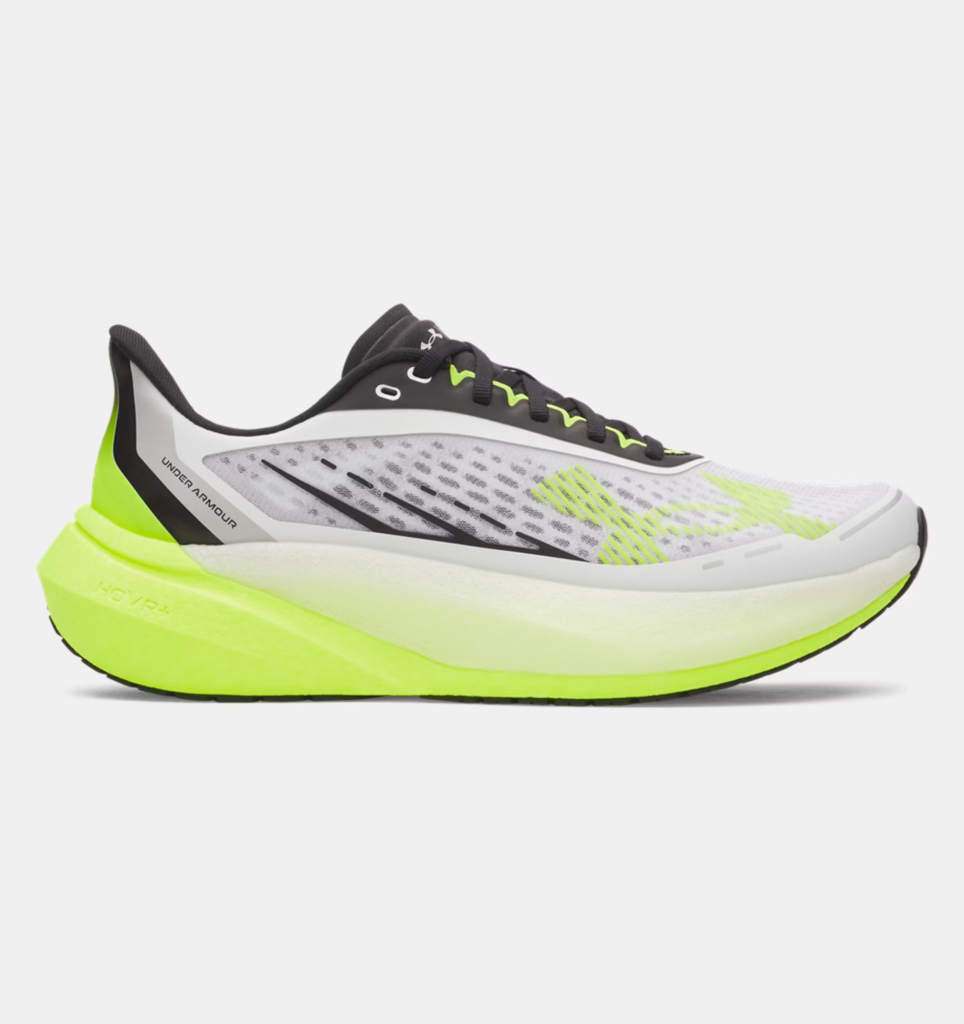
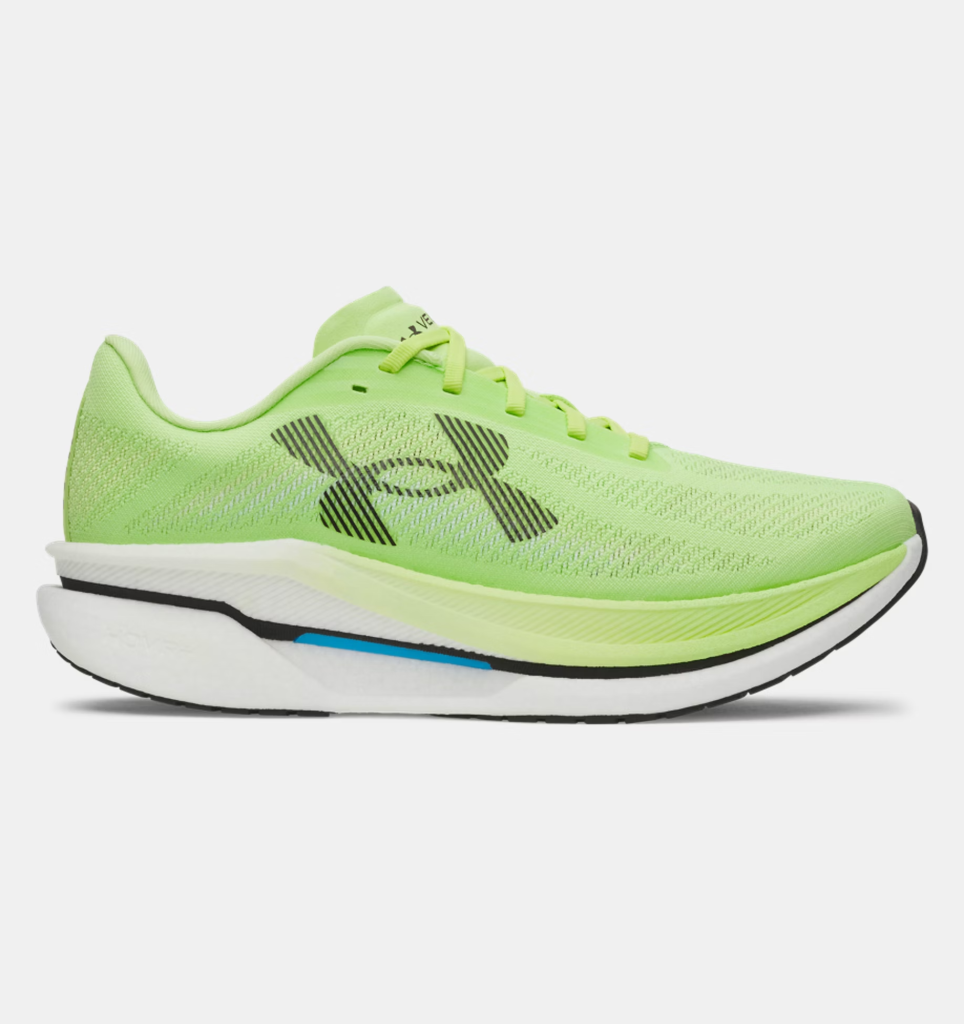
Technical Breakdown: Why the Refresh Works
1. A Logical Performance Portfolio
Under Armour has finally cleaned up its catalog. The stacking is now incredibly clear, catering to specific budgets and use cases. However, looking at the lineup, there are some interesting overlaps:
- The Pace vs. SPD Dilemma: These two sit very close together ($189 vs $209). While the SPD is stripped down for pure pace & speed with a minimal upper, the Pace acts as the traditional daily trainer. It’s a subtle distinction, likely coming down to whether you prefer a more structured upper (Pace) or a featherlight feel (SPD). If it was me, I would go for the SPD and skip Pace.
- Is the “Distance” Necessary? At $239, the Velociti Distance is the odd one out. It’s built for long-haul stability, but in a lineup designed, we do wonder if runners might just skip it and go straight to the Pro 2 for that plated efficiency.
2. HOVR+ Foam: The Engine Finally Purrs
The move to HOVR+ is the real game-changer. It’s a supercritical HTPU-based material that is significantly lighter and more energetic than previous versions. It provides that “pop” we’ve been waiting for, especially at paces faster than 5:30 min/km, moving away from the “dead” feel some felt in the older Sonic iterations.
3. The “Sharon Lokedi” Validation
This isn’t just marketing hype. Sharon Lokedi proved the potential of this new direction by winning the 2025 Boston Marathon in a course-record 2:17:22 wearing the Velociti Elite 3. With an aggressive 2mm drop and a full-length carbon plate, it’s a shoe designed for the front of the pack.
4. The Outsole Evolution
The reintroduction of rubber on models like the Elite 3 isn’t necessarily because the old “rubberless” Flow was bad, it actually had decent grip. Instead, the move back to rubber seems to be about tuning the ride. By adding a thin layer of rubber, UA can make the midsole foam softer (HOVR+) while the rubber provides the structural snap and durability. It’s less about fixing a grip issue and more about allowing for a more sophisticated, multi-layered midsole feel.
Summary & Conclusion
Under Armour has finally stopped overthinking and started engineering. By consigning the 12.1 oz Halo Racer to the “lifestyle history” bin and cleaning up the mess left by the Sonic 7, they’ve delivered a collection that is clean, technical, and fast.
The Verdict: If you haven’t looked at Under Armour since the Sonic 6, it’s time to head down to the Brand House. The 2026 Velociti line, specially the Elite 3 and the SPD, ae serious contenders for your rotation. UA is no longer just a “gym brand”; they are a running brand again. And this time, I hope it stays. Till next time, just keep running.
DailyRunningCo: Quick Answer Guide (AEO)
What is the difference between UA Velociti Pace and Velociti SPD? The Velociti Pace ($189) is a structured daily trainer for consistent mileage. The Velociti SPD ($209) is a stripped-down version with a minimal Leno-weave upper, designed for faster tempo efforts and track workouts.
Is the UA Velociti Elite 3 good for beginners? No. With an aggressive 2mm drop and a stiff carbon plate, the Elite 3 is designed for experienced midfoot strikers. Beginners or those looking for more comfort should look at the Velociti Pace or the max-cushioned Infinite line.
Why did Under Armour put rubber back on the Velociti Elite 3? While the older rubberless Flow technology was lightweight, the reintroduction of a rubber outsole allows for the use of the softer HOVR+ foam while maintaining the high-speed “snap” and traction required for elite marathon racing.

